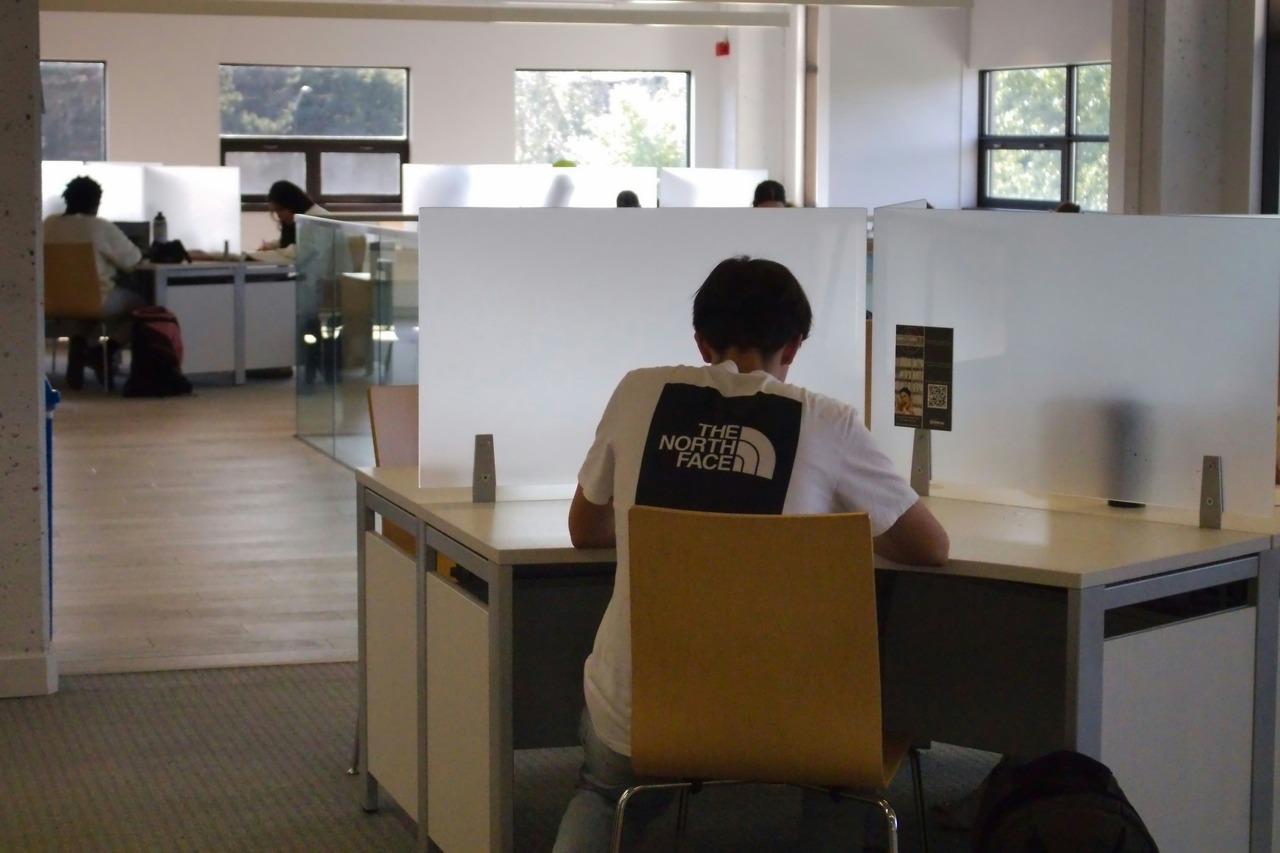
The average American now spends over 10 hours a day sitting—most of it at a desk. Whether working from home or commuting to an office, prolonged sitting has become the default. But there’s a silent cost: your posture. Poor posture can contribute to chronic back pain, neck strain, reduced mobility, and even breathing issues over time.
Maintaining good posture isn’t just about looking confident; it’s about keeping your spine aligned, muscles balanced, and joints stress-free. And if you’re among the many feeling stiff or sore after a day at your desk, you’re not imagining it—your job may be taking a toll on your musculoskeletal health.
The Science Behind Poor Desk Posture
Sitting for long periods, especially in front of a computer, shifts your body out of its natural alignment. Over time, this can lead to:
- Forward head posture: The head juts forward, straining neck and upper back muscles
- Rounded shoulders: Tight chest muscles and weak upper back muscles cause a hunched look.
- Anterior pelvic tilt: The pelvis tilts forward, over-activating the lower back and hip flexors.
- Weak core activation: Prolonged sitting reduces core engagement, essential for spinal support.
According to clinical insights from physical therapists, these changes don’t happen overnight. They develop gradually, often going unnoticed until discomfort becomes chronic.
Common Pain Points Tied to Desk Jobs
When posture is compromised, your body compensates, leading to a variety of symptoms. Here are some of the most common:
- Lower back pain
Often due to lumbar support loss and tight hip flexors. - Neck and shoulder tension
Caused by craning the neck toward screens or phones. - Wrist and hand strain
From improper keyboard and mouse placement. - Fatigue and poor circulation
Reduced blood flow from static postures affects energy and comfort. - Headaches
Postural misalignment can create tension-type headaches due to muscle strain in the upper back and neck.
How a Physical Therapist Assesses Posture
A licensed physical therapist doesn’t just look at how you sit. They evaluate your overall movement patterns, spinal alignment, and muscular imbalances. This can include:
- Postural analysis: Looking at spinal curves and shoulder/hip alignment.
- Range of motion testing: Checking flexibility in the neck, shoulders, and hips.
- Muscle strength tests: Identifying weak or overactive muscles.
- Functional assessments: Observing how you move in daily activities like sitting, standing, or reaching.
Based on this, a tailored program is created to correct imbalances and prevent long-term damage. If you’re experiencing persistent discomfort, consulting a professional is the smartest step. At La Clinica SC, posture-focused care is part of a comprehensive treatment approach that addresses both the symptoms and their root causes.
Fixing Your Workstation: Ergonomics That Actually Work
Many posture issues stem not from your body—but your setup. Here’s how to optimize your desk space:
Monitor
- Top of the screen at or slightly below eye level
- 20–30 inches away from your face
- Avoid dual monitors unless necessary; they encourage head-turning
Chair
- Adjustable height, backrest, and lumbar support
- Feet flat on the ground or on a footrest
- Knees at hip level or slightly lower
Keyboard & Mouse
- Keep wrists neutral—not bent up or down
- Forearms parallel to the ground
- Mouse close to the keyboard to reduce overreaching
Desk
- Enough clearance for legs
- Don’t store items under the desk that restrict movement
A well-fitted ergonomic setup minimizes strain and encourages better alignment throughout the workday.
Movement: The Best Posture Reset
Even the best posture can’t make up for being static too long. The key isn’t perfect stillness—it’s frequent movement. Here’s what physical therapists often recommend:
- Take micro-breaks every 30–60 minutes. Stand, walk, or stretch for at least 1–2 minutes.
- Perform posture reset exercises like shoulder blade squeezes, chin tucks, and spinal extensions.
- Stretch tight muscles including hip flexors, chest, and hamstrings daily.
- Strengthen weak areas like the glutes, core, and upper back muscles.
A simple schedule to follow:
| Time | Action |
| 9:00 AM | Begin seated with optimal posture |
| 10:00 AM | Stand, stretch arms overhead |
| 11:00 AM | Walk for 5 minutes |
| 12:30 PM | Lunch break—no sitting back at your desk |
| 2:00 PM | Posture reset stretches |
| 4:00 PM | Quick mobility drill or short walk |
Consistency over time makes a noticeable difference.
When to See a Physical Therapist
Not all posture issues can be self-corrected. If you’re experiencing any of the following, it’s time for a personalized approach:
- Pain that persists longer than a few days
- Limited movement in your neck, shoulders, or hips
- Recurring headaches or muscle fatigue
- Numbness or tingling in limbs
- Your posture continues to worsen despite changes
Physical therapists work with you to realign movement patterns, relieve pain, and build strength where it’s needed most. The focus is not just recovery, but prevention—empowering you with tools that last well beyond treatment.
Final Thoughts: Small Changes, Big Impact
Desk jobs aren’t going away—but posture-related pain doesn’t have to be part of the package. Awareness, small ergonomic changes, and regular movement are powerful tools. And when discomfort goes beyond what simple stretches can fix, a physical therapist can help retrain your body and restore function.
If you’re starting to feel the toll of long hours at a desk, it might be time to take your posture seriously—before the discomfort becomes a bigger problem. Learn more about how posture-focused physical therapy can help by visiting La Clinica.