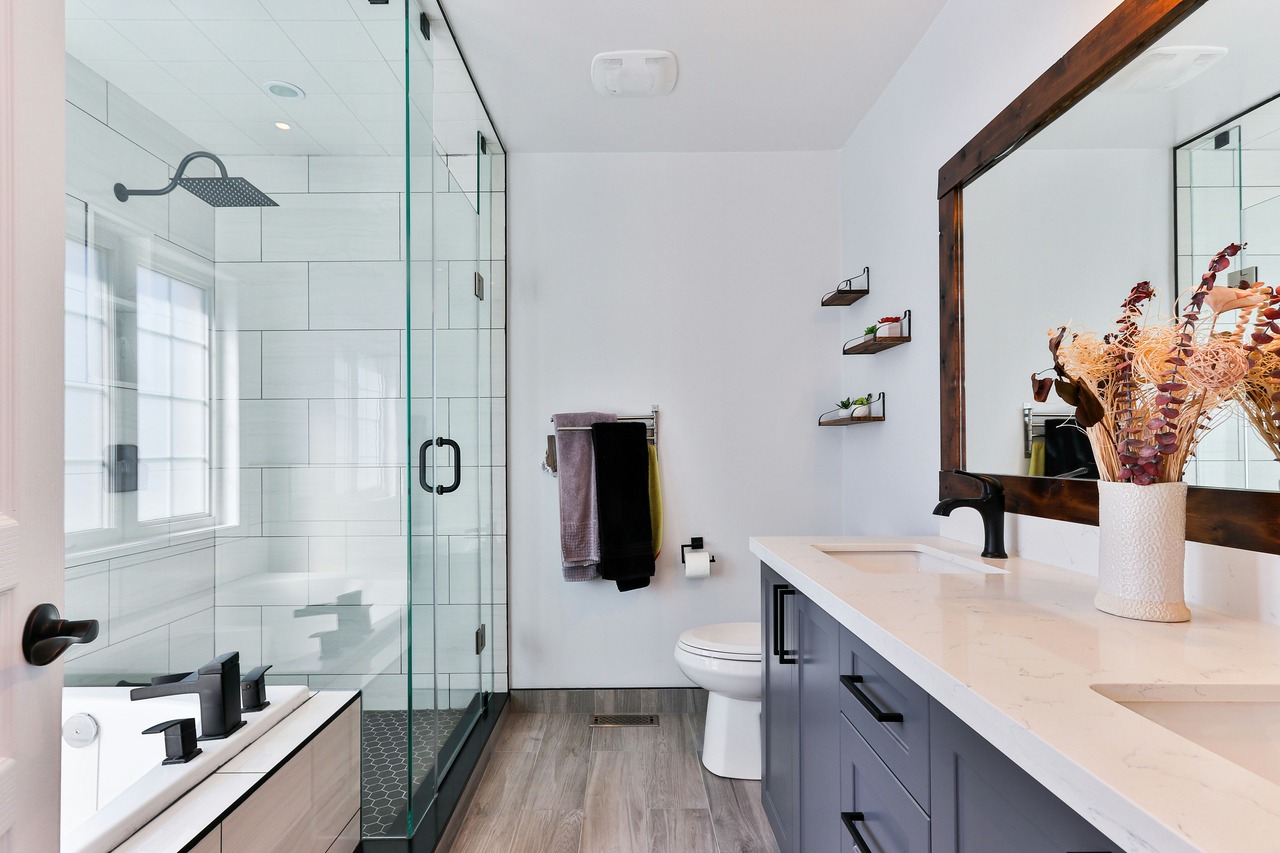
Bathroom renovations in San Diego come with a unique set of challenges — not just in design choices, but in navigating city codes, understanding permitting requirements, and coordinating with licensed professionals. The city’s building codes, water efficiency standards, and seismic considerations all influence what’s possible — and what’s not — in a residential remodel.
Homeowners often begin their renovation journey with Pinterest boards and budget spreadsheets. But the real success lies in what happens behind the walls: plumbing updates, structural integrity, and proper permitting. Missing these details can lead to inspection delays, costly fines, or even a forced re-do of the work.
Do You Need a Permit? Yes — and Here’s Why It Matters
Permits aren’t just red tape — they’re a way to ensure safety, compliance, and future property value.
When Permits Are Required
In San Diego, the Development Services Department (DSD) outlines clear thresholds for when permits are needed. You’ll need a permit if your project involves:
- Moving or adding plumbing lines
- Relocating walls or changing the structural layout
- Altering electrical systems
- Changing the bathroom footprint
- Installing new windows or enlarging existing ones
Cosmetic updates like repainting, re-tiling, or swapping out fixtures generally don’t require permits. But if you’re not sure, it’s always best to double-check with DSD or your contractor.
Risks of Skipping Permits
Working without the proper permits might save time upfront, but it often leads to:
- Difficulty selling your home later
- Delays or denials in home insurance claims
- Fines or mandatory tear-downs during city inspections
- Safety hazards due to unverified work
Ensuring permits are in place protects not only your investment but your liability as a homeowner.
San Diego-Specific Plumbing Considerations
California’s plumbing codes place strict limits on water usage and require the use of approved materials and methods. This makes selecting fixtures and upgrading plumbing systems more complex than in many other states.
Low-Flow Fixture Requirements
All new bathroom renovations in San Diego must comply with California’s CALGreen requirements. This means:
- Toilets must not exceed 1.28 gallons per flush
- Shower Heads must not exceed 1.8 gallons per minute
- Faucets must have aerators limiting flow to 1.2 gallons per minute
If your renovation involves older homes (especially pre-1980s), expect potential complications with pipe compatibility, water pressure balancing, and drain sizing — all of which should be handled by a licensed plumber.
Common Pitfalls San Diego Homeowners Face
Bathroom remodels tend to go off-track for the same few reasons. Recognizing these issues early can help avoid budget overruns and timeline setbacks.
1. Underestimating Costs
Material prices in California — especially for tile, vanities, and plumbing fixtures — tend to be higher than the national average. Labor is also more expensive due to prevailing wage laws and the demand for licensed professionals. Many homeowners budget for the design but overlook hidden costs like:
- Permit fees (can range from $200–$1,500 depending on scope)
- Demolition and debris haul-away
- Unexpected structural or plumbing issues after walls are opened
2. Choosing Form Over Function
It’s easy to get swept up by modern trends — floating vanities, open showers, or vessel sinks. But without proper planning, these features can result in:
- Poor water drainage
- Code violations
- Reduced functionality for resale value
Always consult a contractor familiar with San Diego’s local codes and climate-related considerations before finalizing design plans.
3. Hiring Unlicensed Contractors
California law requires contractors to be licensed for work over $500. While unlicensed labor may seem cheaper, it puts homeowners at risk. If something goes wrong — from botched plumbing to water damage — there’s little legal recourse.
To verify a contractor’s license, use the California Contractors State License Board (CSLB) website. Working with licensed professionals also ensures they can pull the necessary permits on your behalf.
What to Expect From the Inspection Process
San Diego requires inspections at various stages of your remodel — typically:
- Rough Inspection: After demolition and plumbing/electrical installation
- Mid-Project Inspection: For framing or waterproofing checks
- Final Inspection: After all fixtures and finishes are installed
Missing or failing an inspection can delay your project by weeks. That’s why working with experienced professionals is key — they know the schedule, the checklists, and how to correct issues fast if something fails.
Planning Your Timeline: How Long Should It Take?
On average, a full bathroom remodel in San Diego takes 6 to 10 weeks, depending on complexity. A rough breakdown:
- Design & Planning: 2–3 weeks
- Permit Approvals: 1–4 weeks
- Construction: 4–6 weeks
- Inspection Delays (if any): 1–2 weeks
Delays often occur from long lead times on custom materials or fixture availability. It’s smart to order everything before demolition begins.
Working With Professionals Who Understand San Diego’s Landscape
A successful renovation blends aesthetics, function, and code compliance. That’s why it helps to work with professionals familiar with local ordinances, architectural styles, and microclimates.
For example, areas closer to the coast may deal with salt air corrosion, while homes in hilly neighborhoods like La Jolla or Mission Hills may require more structural work due to foundation shifting.
Final Thoughts: Renovate Smart, Not Fast
Bathroom remodeling in San Diego involves more than picking out tiles and lighting. From permits to plumbing and beyond, every detail must align with both city codes and practical function. Whether you’re updating a small guest bath or doing a full primary suite overhaul, investing time in research and partnering with knowledgeable professionals pays off in peace of mind, property value, and long-term satisfaction.
Taking the time to do it right — with permits in hand and expert guidance — helps ensure your new bathroom looks good and works exactly as it should.